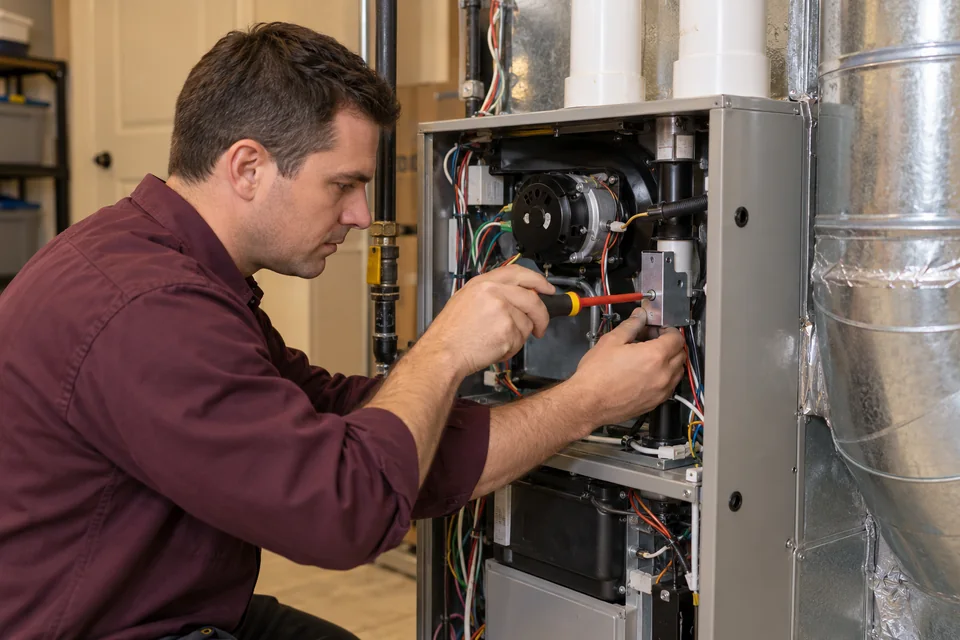
Short cycling is a description, not a diagnosis.
A furnace normally responds to the thermostat and ends a heating run when the demand is satisfied. Repeated brief runs that leave the home uncomfortable are worth describing to a heating professional. The exact timing and the room temperature matter more than assuming every stop is a fault.
Note the timing and thermostat response
Observe the pattern from a safe location. Does the furnace shut down before the set temperature is reached? Does the blower continue after the heating stops? Does the system restart by itself or require another action?
- Approximate length of each heating run and pause.
- Whether the thermostat still appears to request heat.
- Whether all rooms are affected or comfort differs between spaces.
- Any recent filter, thermostat or equipment change.
Why a provider may investigate more than one cause.
Restricted airflow can be one factor in heating-system problems. A dirty or unsuitable filter, blocked return path or equipment issue may require investigation. The Department of Energy filter guidance (opens in a new tab) explains how clogged filters can reduce airflow.
Thermostat control, ignition operation, blower performance or a protective shutdown may also enter the assessment. A short run does not prove the furnace is oversized, nor does a thermostat change automatically establish the solution.
Tell the provider if the furnace repeatedly fails to stay on, but avoid restarting it over and over or bypassing a limit switch. Ask what evidence supports the recommended repair and whether airflow or other contributing conditions also need attention.
Find out why it stopped.
Useful questions include: “What caused the shutdown?”, “Which checks supported that finding?” and “Will the proposed work address the repeated cycling?” Ask the provider to distinguish a component problem from a thermostat or airflow issue.
If the system is no longer producing any heat, use our furnace-not-heating guide to organise that enquiry. For a system that currently works and needs scheduled care, see furnace maintenance.
Repeated faults may lead to a repair-or-replacement discussion. The independent provider should explain the condition of the unit, previous repairs and installation considerations before you decide. Lincoln HeatLink does not make that recommendation or guarantee a repair outcome.
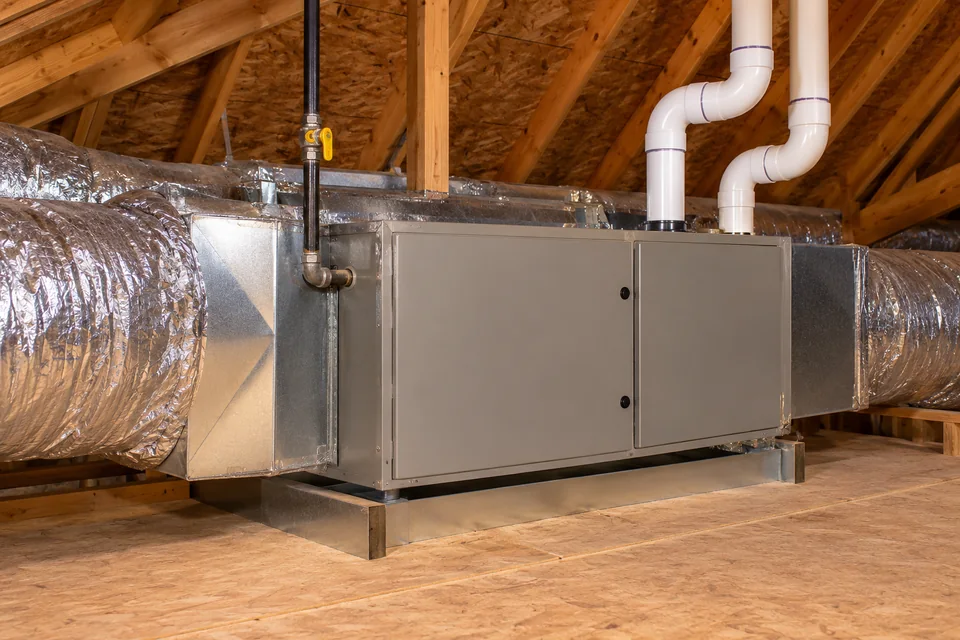
A few points to clarify.
How many minutes should a furnace run?
There is no single run time that identifies a fault for every home and system. Weather, heating demand, controls and equipment all affect operation. Explain the observed timing and whether the home reaches the set temperature.
Can I keep resetting the furnace to make it stay on?
Repeated resets can conceal a continuing fault. Follow the equipment instructions and arrange a professional assessment rather than bypassing controls or repeatedly forcing a restart.
Is a short-cycling furnace automatically due for replacement?
No. The provider must assess the cause and equipment condition. Ask for an explanation of repair options and any reasons replacement is being considered.